Learn how circular economy models reduce geopolitical risks in critical mineral supply chains. Discover how recycling and scrap trading create resilience and cost advantages.
Introduction
In today’s volatile global landscape, supply chains are no longer just about cost — they are about security and control. From export restrictions to geopolitical tensions, industries dependent on critical minerals face growing uncertainty. The solution?
Shift from linear supply chains to circular ecosystems.
The Geopolitical Risk in Traditional Supply Chains
Key Challenges
- Overdependence on a few countries for raw materials
- Price volatility due to global conflicts
- Supply disruptions from logistics bottlenecks
For example:
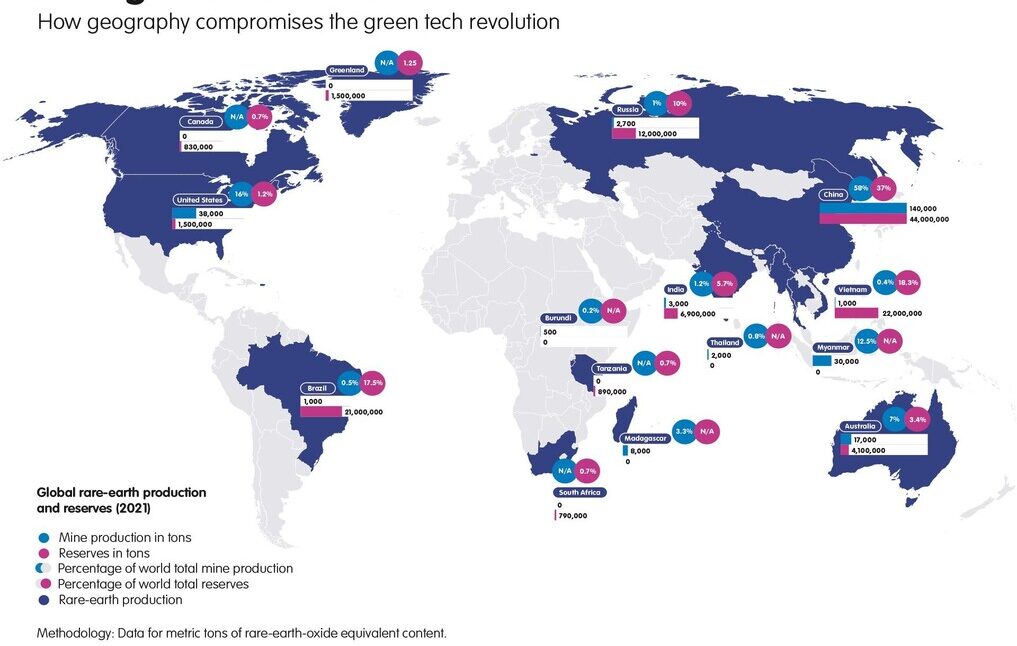
- Rare earth elements are concentrated in limited regions
- Lithium supply chains are still developing and uneven
This creates a fragile system where one disruption can impact entire industries.
Circular Economy: A Strategic Advantage
A circular economy focuses on:
- Reusing materials
- Recycling waste
- Regenerating resources
Instead of relying solely on mining, businesses can create their own supply streams.
From Scrap to Supply Chain
How It Works
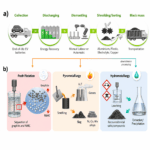
- Collect industrial and battery scrap
- Process into secondary raw materials (e.g., black mass)
- Reintroduce into manufacturing supply chain
This transforms waste into a reliable, local resource base.
Case Example: Battery Ecosystem
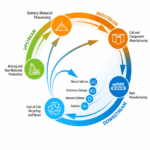
- End-of-life EV batteries → recycled → lithium, cobalt, nickel recovered
- These materials go back into battery production
Result:
- Reduced import dependency
- Lower cost structure
- Increased supply security
How Circular Economy Reduces Risk
- Diversification of Supply
Recycling creates multiple supply sources, reducing dependency on imports.
- Cost Stability
Secondary materials are less volatile than mined resources.
- Faster Availability
Recycling cycles are significantly shorter than mining projects.
- ESG & Compliance Advantage
Governments are increasingly mandating recycling through policies like EPR.
India’s Opportunity to Lead
India can leverage:
- Large scrap generation
- Growing EV market
- Strong policy push for sustainability
Strategic Move
India can become a global hub for recycled critical materials, reducing reliance on imports while exporting value-added products.
Role of Twikk in Building Circular Supply Chains
Twikk Sustainability Solutions LLP enables:
- Scrap sourcing and aggregation
- Reliable trading networks
- Integration of recycling into supply chains
Twikk acts as a bridge between waste generators and material consumers, ensuring efficiency and transparency.
Business Impact
Companies adopting circular models gain:
- Supply chain resilience
- Cost savings
- Competitive advantage
- Sustainability leadership
Conclusion
The future of supply chains is not linear — it is circular.
In a world shaped by geopolitical uncertainty, businesses that turn scrap into supply chains will control their destiny.
CTA
👉 Build a resilient and future-ready supply chain with Twikk Sustainability Solutions LLP.